


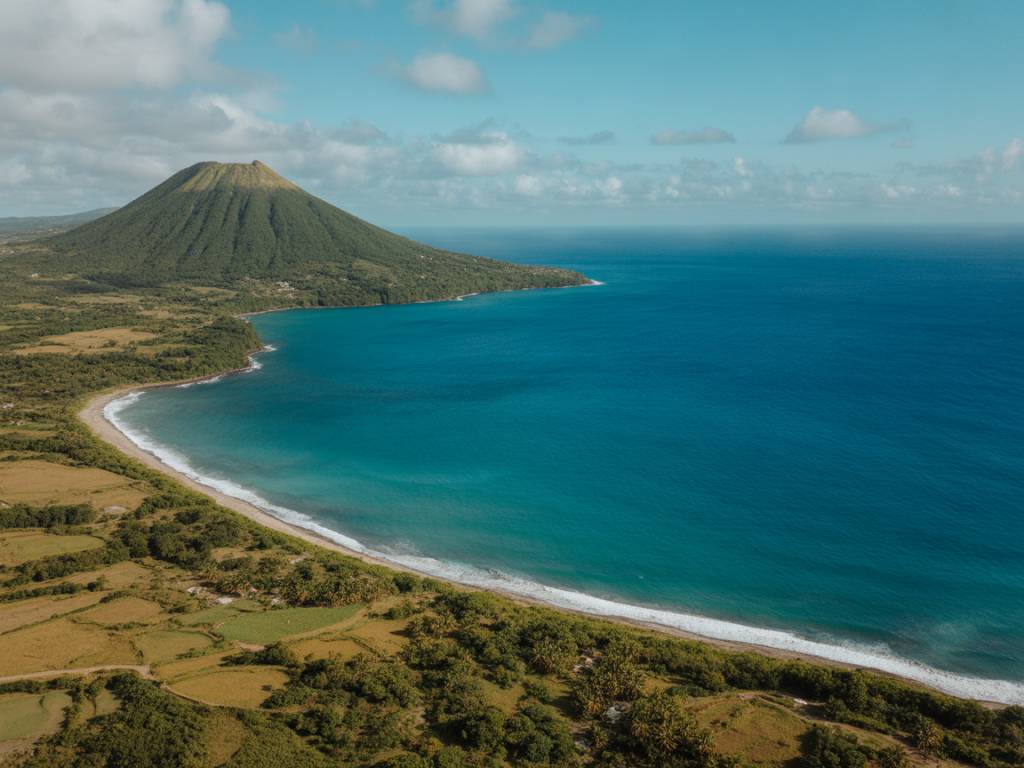
A week in Martinique offers an ideal balance of Caribbean beaches, volcanic landscapes and authentic Creole culture. This 7-day itinerary is designed for first-time visitors who want to see the island’s highlights without rushing, while still leaving time to relax, taste local rum and discover small, characterful villages. From black-sand coves to lush rainforest trails and historic plantations, Martinique rewards curious travelers who like to mix outdoor adventure with cultural immersion.
Planning Your 7-Day Trip to Martinique: When to Go and Where to Stay
Martinique enjoys a tropical climate with warm temperatures year-round. The dry season, roughly from December to April, brings sunnier skies and calmer seas, which is ideal for beach days, boat trips, and volcano hiking. The wet season (June to November) tends to be more humid with short but intense showers, yet it also offers greener landscapes and lower prices.
For a first-timer’s 7-day itinerary in Martinique, it makes sense to split your stay between the south and the north:
- Southern Martinique (Trois-Îlets, Les Anses-d’Arlet, Sainte-Anne): Best for white-sand beaches, snorkeling, family-friendly resorts and many vacation rentals.
- Northern Martinique (Saint-Pierre, Le Morne-Rouge, Ajoupa-Bouillon): Ideal for hiking Mont Pelée, exploring rainforests, waterfalls and historic ruins.
Renting a car is highly recommended. Public transport exists but is not adapted to a tight one-week schedule. If you plan to hike volcano trails, pack sturdy walking shoes, a lightweight rain jacket and a small daypack. For beach days and snorkeling, consider bringing your own mask and fins for better comfort and hygiene, although many local operators rent or provide snorkeling gear.
Overview of a First-Timer’s 7-Day Itinerary in Martinique
This itinerary assumes you will be based mainly in the south (Trois-Îlets or nearby) with one or two nights in the north near Mont Pelée. It combines beaches, volcano trails, cultural visits and Creole gastronomy:
- Day 1: Arrival, Fort-de-France and first taste of Creole culture
- Day 2: South Caribbean beaches and snorkeling at Les Anses-d’Arlet
- Day 3: Boat excursions, dolphins and hidden coves along the Caribbean coast
- Day 4: Rum distilleries and heritage plantations in central Martinique
- Day 5: Volcano trail to Mont Pelée and historic Saint-Pierre
- Day 6: Rainforest, Botanical Gardens and black-sand beaches of the north
- Day 7: Relaxing beach time, local markets and departure
Feel free to swap days depending on the weather, especially for your volcano hikes and boat trips. Clear mornings are best for Mont Pelée, while light clouds can actually be pleasant during beach days.
Day 1: Fort-de-France, Creole Markets and a Gentle Introduction
After landing at Aimé Césaire International Airport, pick up your rental car and drive toward Fort-de-France, Martinique’s capital. This is an excellent place to begin absorbing the island’s energy, architecture and Creole culture.
Start at the Covered Market (Marché Couvert), a colorful space filled with vendors selling spices, local sauces, madras textiles and artisanal rum punches. It is a good introduction to the scents and flavors that will accompany your week: nutmeg, cinnamon, vanilla, and chili-infused condiments. Many visitors buy small bottles of aged rum or spice blends here to take home.
Stroll to the graceful Schoelcher Library, a striking 19th-century building imported piece by piece from France, and then to the seafront park known as La Savane. Stop at a café for your first ti-punch or a local fruit juice and watch the activity along the bay.
By late afternoon, drive to your accommodation around Trois-Îlets or Pointe du Bout. These areas offer easy access to restaurants, boat tours and many of the island’s best beaches for first-time travelers. A short walk along the marina in the evening gives a relaxed, secure introduction to nightlife in Martinique.
Day 2: Exploring Martinique’s South Caribbean Beaches and Les Anses-d’Arlet
The southern Caribbean coast is famous for its calm waters and picturesque bays. Dedicate this day to beaches and snorkeling around Les Anses-d’Arlet, one of Martinique’s most photographed villages.
In the morning, drive to Grande Anse d’Arlet, a long curve of golden sand backed by hills and palm trees. The water here is usually calm and crystal-clear, ideal for swimming, paddleboarding or simply floating. Visitors often bring portable beach chairs, umbrellas and reef-safe sunscreen to make the most of a full beach day.
For snorkeling, move a little further south to Anse Dufour and Anse Noire. Anse Dufour is known for its turtles, which can often be spotted in the shallows near the rocky edges. Anse Noire, named for its dark volcanic sand, has deeper waters and rich marine life. If you do not have your own gear, several local operators offer snorkeling excursions and equipment rental.
In the late afternoon, visit the village of Les Anses-d’Arlet itself. The charming church facing the pier and the calm bay create a postcard-perfect scene. Enjoy grilled fish, accras (salt-cod fritters) and a planteur cocktail at one of the beachside restaurants as the sun sets over the Caribbean.
Day 3: Boat Trips, Dolphin Watching and Secret Coves
A first-timer’s itinerary in Martinique would not be complete without at least one day on the water. Many agencies based in Trois-Îlets and the surrounding marinas offer half-day or full-day boat tours along the Caribbean coast.
Opt for a small-group excursion that includes:
- Dolphin watching in the open sea, where pods sometimes follow boats and play in the bow waves.
- Stops at secluded coves and islets, perfect for swimming and snorkeling in clear turquoise water.
- A simple Creole lunch on board or at a beach restaurant, highlighting fresh fish, rice and local vegetables.
Some tours also provide stand-up paddleboards, floating mats and snorkeling gear, allowing you to explore shallow reefs and relax between swims. Bring a waterproof bag, reef-safe sunscreen and a light cover-up to protect from the tropical sun.
Return to your base in the late afternoon. If you still have energy, walk along the shops and cafés at Pointe du Bout. This area offers several boutiques selling swimwear, beach accessories and locally made products such as rum, chocolate and beauty items based on tropical ingredients.
Day 4: Rum Distilleries, Plantations and Creole Gastronomy
Martinique is renowned for its agricultural rum (rhum agricole), made from fresh sugarcane juice rather than molasses. Use this day to discover the island’s rum heritage and plantation history while driving through the lush central region.
Head toward Habitation Clément, one of the most visited rum distilleries and heritage estates. The visit typically includes:
- A walk through old distillery buildings, aging cellars and contemporary art spaces.
- An introduction to the process of making AOC Martinique rum, from sugarcane fields to oak barrels.
- Tastings of white, aged and flavored rums in the boutique, where many travelers pick up bottles to bring home.
Another interesting stop is Habitation La Savane des Esclaves near Trois-Îlets, a reconstructed village that presents the history of slavery and daily life in Martinique. Exhibits and traditional Creole huts provide context for the island’s complex past and present-day culture.
For lunch, choose a traditional table d’hôte or a small Creole restaurant. Typical dishes include colombo (a spicy curry-like stew), grilled lobster, and lambi (conch) when in season. Use the afternoon to rest at your hotel pool or return to a nearby beach for a simple swim before your more active northern adventure.
Day 5: Volcano Trail Adventure on Mont Pelée and Historic Saint-Pierre
The north of Martinique offers a dramatic contrast to the south’s placid beaches. Today you will discover Mont Pelée, a still-active volcano, and the historic town of Saint-Pierre, once called the “Little Paris of the Caribbean” before being destroyed in the 1902 eruption.
Leave early and drive north along the Caribbean coast. The landscape gradually becomes more rugged and green. At the base of Mont Pelée, near Le Morne-Rouge, several trailheads give access to different routes. For a first-timer, the path known as the Aileron trail is a classic option, offering panoramic views when the weather is clear.
Weather conditions on the volcano can change rapidly. Bring:
- Sturdy hiking shoes with good grip
- A lightweight waterproof jacket
- Water, snacks and sun protection
The hike can be demanding, with steep sections and potentially muddy ground, but reaching the upper ridges of Mont Pelée is one of the most memorable experiences in Martinique. On clear days, you may see the coastline and neighboring islands in the distance.
After your hike, descend to Saint-Pierre. Explore the ruins of the old theater, the museum dedicated to the eruption and the small town streets that climb the hillside. The black-sand beach here, backed by the volcano, makes a striking setting for a late-afternoon swim. Many visitors choose to spend the night in the north after this full day, staying in a small guesthouse around Saint-Pierre or in the cooler highlands.
Day 6: Rainforest Trails, Botanical Gardens and Northern Beaches
With Mont Pelée behind you, devote this day to the lush interior of northern Martinique and its botanical and natural attractions. The region’s high rainfall nurtures dense rainforest, waterfalls and river valleys.
Start with a visit to the Jardin de Balata, located near Fort-de-France but easily reached from the north as well. This landscaped garden showcases tropical plants, bamboo groves, ponds and tree-top walkways that offer views over the forest canopy. It is both educational and photogenic, perfect for understanding the island’s biodiversity.
Afterward, drive deeper into the interior along winding roads shaded by giant ferns and bamboo. Depending on your interest and fitness level, you can choose a short rainforest trail or a river walk with natural pools. Waterproof sandals or light hiking shoes are practical here.
On your way back toward the west or south coast, stop at another northern black-sand beach, such as Anse Couleuvre, accessible via a short walk. This wild, palm-fringed cove feels remote and untouched, with dark sand and powerful waves when the swell is up. It is a striking contrast to the gentle turquoise bays of the south.
Day 7: Relaxing Beach Time, Souvenirs and Local Markets
Your last day in Martinique should be flexible and relaxed. Many travelers choose to return to a favorite beach, perhaps Les Salines near Sainte-Anne, often considered one of the most beautiful white-sand beaches on the island. Calm waters and long stretches of sand invite slow walks and final swims before your flight.
If you still need to buy souvenirs or products, visit a local market or a well-stocked shop specializing in Martinican goods. Popular items include:
- Bottles of AOC rum and artisanal liqueurs
- Local coffee and cocoa-based products
- Spice blends, hot sauces and vanilla pods
- Cosmetics made from tropical plants and Caribbean oils
This is also a good time to try any Creole specialties you may have missed: fresh sorbet sold on the beach, bokits (stuffed sandwiches) at a food truck, or one last plate of grilled fish with lime and herbs.
Plan enough time to drive to the airport, return your rental car and check in calmly. As your plane departs, the outline of Mont Pelée and the curve of the Caribbean coast give you a final view of the landscapes you have explored over the week.
Making the Most of Your First 7 Days in Martinique
This 7-day itinerary in Martinique balances beach relaxation, offshore excursions, volcano trails and meaningful encounters with Creole culture. By dividing your time between the south and the north, renting a car and mixing guided tours with independent exploration, you gain a more complete picture of the island.
Whether you come mainly for Caribbean beaches, hiking on Mont Pelée, tasting Martinique rum or discovering authentic Creole markets and villages, this first stay will likely feel too short. Many travelers leave already planning a return trip, this time ready to explore more hidden coves, inland trails and local festivals that give Martinique its unique character in the Caribbean.