Why Martinique’s Hidden Crater Lakes and Mountain Pools Deserve Your Hiking Boots
Martinique is known for its white-sand beaches and rum distilleries. Yet many travelers never see its most magical side: the emerald crater lakes and secret mountain pools hidden in dense tropical forest. For hikers, these freshwater spots offer a cool, quiet antidote to the island’s busy coastal resorts.
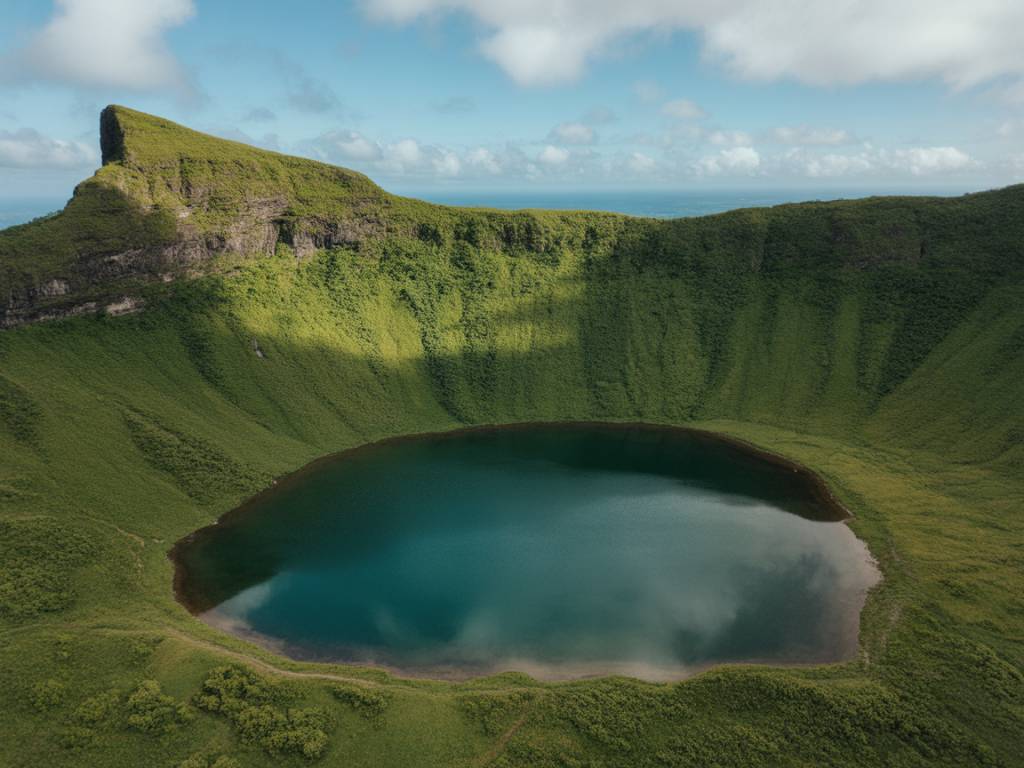
Tucked into the slopes of Mont Pelée and the rugged Carbet Mountains, these lakes and pools are the remnants of ancient volcanic activity. They form natural basins where rainwater gathers, filtered by lush cloud forest. The result is a network of clear, often chilly, basins that feel worlds away from the Caribbean Sea just a few kilometers below.
This hiker’s guide focuses on the most accessible yet still “hidden-feeling” crater lakes and mountain pools in Martinique, with practical tips on trails, safety, gear, and the best seasons to go.
Understanding Martinique’s Volcanic Crater Lakes and Mountain Pools
Martinique sits in the Lesser Antilles volcanic arc. Over thousands of years, eruptions, collapses, and landslides have sculpted the island’s interior. In the highlands, old craters, fault lines, and depressions now collect rainwater. These become crater lakes, tarns, and series of cascades.
Most of these lakes are relatively small. You will not find huge, open caldera lakes like in some Pacific islands. Instead, expect intimate basins surrounded by tree ferns, moss, orchids, and bromeliads. The water is typically fresh and clear, but often cold, especially at higher elevations where clouds linger.
Mountain pools are slightly different. Rather than occupying a true crater, they form where streams slow, drop into potholes, or fan out over volcanic rock. Many hikers in Martinique combine a forest trek, a short ascent, and then a refreshing dip in one of these pools before heading back to the coast.
Top Hiking Areas for Crater Lakes and Mountain Pools in Martinique
Several areas of Martinique are particularly rewarding for hikers seeking hidden lakes and pools. Each offers a distinct atmosphere, from cloud forest to steep volcanic ridges and deep river gorges.
Mont Pelée: Misty Slopes and Volcanic Basins
Mont Pelée, in the north of Martinique, is the island’s active stratovolcano and its most iconic hiking destination. While many people climb Mont Pelée for the panoramic views, dedicated hikers come for the quieter side trails that lead to old craters, basins, and secluded viewpoints.
Depending on recent rainfall, you may encounter ephemeral mountain pools along the way—little basins filled with crystal-clear water between slabs of black volcanic rock. These are not always suitable for full-on swimming, but they are ideal for cooling your feet or splashing your face after a steep ascent.
Trails here are generally well-marked but can become slippery. Mossy stones, exposed roots, and sudden fog make the paths more technical than they first appear. Proper hiking shoes with strong grip are essential on Mont Pelée, particularly if you plan to explore side paths around minor craters and depressions where water tends to collect.
Pitons du Carbet: Wild Ridges and Cloud-Forest Pools
The Pitons du Carbet form a jagged chain of peaks blanketed in dense tropical forest. This is one of the most atmospheric hiking zones in Martinique. Moist trade winds from the Atlantic hit the mountains, condense, and feed a network of streams and hidden pools.
Here you will find:
- Steep, rooty trails through primary rainforest
- Misty ridgelines with sudden openings onto deep valleys
- Cool, shaded mountain pools carved into volcanic rock
Many pools in the Carbet range are reachable from river-based hikes. You follow the riverbed, sometimes scrambling over boulders, sometimes on a rough path alongside the water. These hikes demand good balance and waterproof or quick-drying hiking shoes. The reward is often a natural pool with a small cascade, perfect for a brief swim before turning back.
Ravines and River Gorges: Secret Freshwater Escapes
Beyond the iconic peaks, Martinique’s interior is cut by ravines and river gorges that hide some of its most enchanting freshwater spots. These hikes are typically shorter in distance but more adventurous in character. They may require river crossings, rock-hopping, and navigating slippery banks.
Some of these mountain pools are locally famous swimming holes, while others are more discreet, known mainly to guides and residents. When exploring ravines and gorge pools, always respect private property and posted signs, and consider hiring a local hiking guide if you are unfamiliar with the terrain.
Planning Your Hike to Martinique’s Crater Lakes and Mountain Pools
Because these hikes take you away from the coast and into mountainous microclimates, planning is critical. Weather, trail conditions, and daylight hours all influence your experience.
Best Season and Time of Day for Hiking to Lakes and Pools
Martinique has a tropical climate with a wetter season (roughly June to November) and a relatively drier season (December to May). You can hike year-round, but conditions vary.
- Drier season (December–May): Generally the best time for hiking. Trails are less muddy, rivers are lower, and visibility is better. Mountain pools may be slightly cooler and, in some cases, less deep.
- Wetter season (June–November): Lush vegetation, dramatic clouds, and fuller waterfalls. However, there is increased risk of heavy showers, slippery terrain, and rapid changes in river levels. Always monitor weather forecasts, especially for tropical storms.
Regardless of season, start early. Morning departures help you avoid afternoon storms and allow enough daylight for a relaxed swim and a safe hike back. Cloud cover also tends to build as the day progresses, especially around Mont Pelée and the Pitons du Carbet.
Essential Gear for Crater Lake and Mountain Pool Hikes
Hiking to crater lakes and mountain pools in Martinique demands gear adapted to humidity, steep terrain, and water. Thoughtful equipment will make the experience safer and more enjoyable.
- Waterproof or quick-drying hiking shoes: Trails are often wet. Choose shoes with aggressive grip on slick rock and mud.
- Lightweight, breathable clothing: Synthetic or merino fabrics that dry fast are ideal. Avoid heavy cotton.
- Packable rain jacket: Short tropical showers are common, even in the dry season.
- Swimwear and microfiber towel: Wear your swimsuit underneath or carry it in a dry bag for spontaneous dips.
- Dry bag or waterproof phone case: For electronics, documents, and anything that must stay dry during river crossings or splashes.
- Trekking poles: Particularly useful on steep, muddy descents and for balance when crossing streams.
- Reusable water bottle or hydration bladder: Dehydration comes quickly in humid heat. Carry enough water for the entire hike.
- Eco-friendly insect repellent and sunscreen: Choose reef-safe and biodegradable formulas to protect fragile freshwater ecosystems.
Many of these items are available from outdoor brands that specialize in tropical hiking gear. If you plan multiple treks in Martinique or other islands, investing in quality footwear and a good technical daypack is especially worthwhile.
Safety Tips for Exploring Remote Lakes and Pools
Martinique’s crater lakes and mountain pools look tranquil, but conditions can change faster than on coastal paths. A few precautions can significantly reduce risks.
- Check local conditions: Before setting out, ask your accommodation, tourist office, or a local guide about trail status and river levels.
- Avoid heavy rain days: Rivers can rise quickly. Skip ravine and gorge hikes if strong storms are forecast.
- Do not dive: Water depth can be deceptive, and submerged rocks are common. Enter pools gently, feet first.
- Watch for slippery rocks: Algae-covered stones around pools and streams are extremely slick. Step carefully, and use poles or your hands for stability.
- Stay on marked trails: Shortcuts can lead to unstable slopes or hidden drops. Respect signs and barriers.
- Tell someone your plan: Share your route and expected return time with a friend, hotel staff, or guide.
- Travel with a guide when in doubt: For remote hikes or if you are new to tropical mountain terrain, a local hiking guide is a smart investment.
Respecting Fragile Freshwater and Mountain Ecosystems
The beauty of Martinique’s crater lakes and mountain pools depends on intact ecosystems. High-elevation forests, rare plants, and amphibians all rely on clean, undisturbed water sources. Hikers play a direct role in preserving them.
- Leave no trace: Pack out all trash, including organic waste such as fruit peels.
- Use eco-friendly products: Avoid entering small pools with heavy sunscreen, insect repellent, or cosmetics on your skin when possible.
- Stay on established paths: Trampling delicate vegetation can increase erosion and sedimentation in pools and streams.
- Keep noise low: Enjoy the forest soundscape. Loud voices and music disturb wildlife and other hikers.
By practicing low-impact hiking, you help ensure that these hidden lakes and pools remain clear and inviting for future visitors—and for the island’s own communities that depend on healthy watersheds.
Combining Crater Lake Hikes with a Martinique Island Itinerary
One of the pleasures of hiking in Martinique is the contrast between environments. You can spend the morning in a cool, misty forest above a crater basin, then relax on a sunny beach in the afternoon with a plate of Creole food.
Many travelers choose a two-base strategy: a few nights in the lush north near Mont Pelée and the Pitons du Carbet, and a few nights in the south near the island’s most famous beaches. From a northern base, you can focus on mountain pools, river hiking, and crater viewpoints. From the south, you can enjoy coastal walks, snorkeling, and shorter inland hikes to waterfalls and smaller freshwater basins.
If you are interested in outdoor gear or photography equipment, Martinique’s varied landscapes are an excellent testing ground. Waterproof daypacks, hiking sandals, compact travel tripods, and action cameras for filming in and around water all find a natural place in your packing list. These products are not only useful during your trip, they also extend the life of your hiking hobby long after you leave the island.
Final Thoughts on Hiking to Martinique’s Hidden Crater Lakes and Mountain Pools
Exploring Martinique’s hidden crater lakes and mountain pools offers a different kind of Caribbean experience. It is quieter, cooler, and more introspective than a typical beach holiday. The hikes can be demanding, but the reward is immersion in landscapes shaped by fire and softened by water and forest.
With the right preparation—suitable hiking gear, respect for the weather, and an appreciation for fragile ecosystems—you can safely discover some of the island’s most secret freshwater sanctuaries. Whether you are an experienced trekker or a curious traveler seeking one or two signature hikes, Martinique’s volcanic interior invites you to slow down, listen to the forest, and step into crystal-clear pools that feel like they were made just for you.