


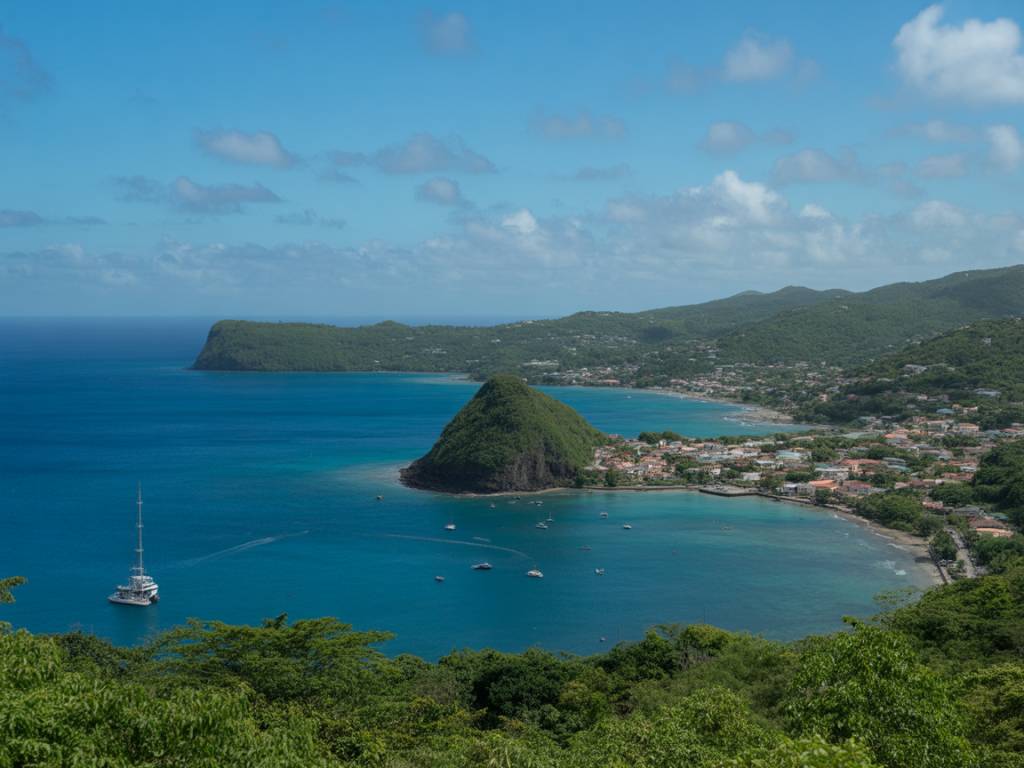
Understanding Public Transport in Martinique
Getting around Martinique efficiently is essential if you want to explore the island’s beaches, rainforests, fishing villages, and cultural sites. The public transport network in Martinique is relatively developed for a Caribbean island, but it is not as dense or frequent as what most visitors from Europe or North America might expect. Planning ahead will make a big difference to your experience.
Most locals rely on a combination of buses, private minibuses, and cars. For travelers, this means you can move between major towns such as Fort-de-France, Le Lamentin, Le François, and Sainte-Anne using public transport, but for more secluded coves, remote hiking trails, or late-night outings, renting a car often becomes the most practical solution.
Public Buses in Martinique: How the Network Works
The backbone of public transport in Martinique is the bus system. Services are primarily operated in and around Fort-de-France and along the more populated coastal areas. Understanding how these buses work will help you decide when to rely on them and when to consider driving.
Types of Buses
- Urban buses around Fort-de-France: These buses connect Fort-de-France with close suburbs and districts such as Schoelcher, Le Lamentin, and Ducos. They are mainly used for commuting and shopping.
- Intercity buses: These link larger towns and popular tourist areas, like Fort-de-France to Sainte-Anne in the south or Saint-Pierre in the north. They are an affordable option for long distances, but not always frequent.
Schedules and Frequency
Buses generally run from early morning (around 5:30–6:00 a.m.) until early evening (around 7:00–8:00 p.m.). Services are reduced on Sundays and public holidays, and some rural routes might not operate at all on these days. Peak hours on weekdays can mean crowded buses near Fort-de-France, while mid-day hours are often quieter but with fewer departures.
Timetables are not always clearly posted at every bus stop, especially outside urban areas. Your hotel, guesthouse host, or tourist office can often provide updated schedule information, and it is wise to confirm the last return bus of the day before heading out.
Bus Stops, Tickets and Fares in Martinique
Bus stops in Martinique range from clearly marked shelters to simple roadside signs. In some rural stretches, locals may wave down buses along the road, but as a visitor you should use official stops whenever possible for safety and clarity.
Buying Tickets
- On board: For most routes, you can purchase your ticket directly from the driver when boarding. Have small bills or coins ready, as drivers may not accept large notes.
- Stations and kiosks: In Fort-de-France and larger towns, there may be ticket counters or kiosks near main bus terminals where you can buy tickets or day passes, depending on the operator.
Typical Bus Fares
- Short urban rides: Usually a few euros for a one-way trip within the same area or between neighboring districts.
- Longer intercity routes: Slightly more expensive but still budget-friendly compared to taxis or car hire.
Public transport remains one of the most economical ways to get around Martinique, especially if you are staying mainly between major resort areas and Fort-de-France. However, flexibility is limited and you will need to adapt to local timetables.
Private Minibuses and Shared Taxis
In addition to scheduled public buses, Martinique has private minibuses and shared taxis that fill some of the gaps in the transport network. These are particularly useful in areas where regular buses are infrequent or do not run at convenient hours.
How They Work
- Private minibuses often serve popular local routes and may wait to fill up before departing.
- Stops can be more informal, with passengers getting off at requested points along the route.
- Fares are usually similar to or slightly higher than public buses, paid in cash to the driver.
These services can be less predictable than public buses, but they offer a more flexible way of getting around Martinique without renting a car. If you are comfortable with a bit of spontaneity, they can be an interesting, authentic way to travel like a local.
Taxi Services and Ride Options in Martinique
For travelers seeking comfort and door-to-door service, taxis are readily available in Martinique, especially around the airport, cruise terminal, main hotels, and busy tourist areas.
Where to Find Taxis
- Outside Aimé Césaire International Airport in Le Lamentin.
- Near main squares and ports in Fort-de-France.
- At larger resorts and tourist complexes in the south of the island.
Taxi Fares and Tips
- Taxis run on official meters, but flat rates may apply for common routes such as airport–Fort-de-France or airport–Sainte-Anne.
- Night rides and trips on Sundays or holidays may involve surcharges.
- It is advisable to ask for an approximate price before starting your trip, especially for longer rides across the island.
App-based ride services may be limited or unavailable across the island, so do not rely solely on ride-hailing apps. When staying at a villa or smaller guesthouse, keep the number of a reliable local taxi company for early-morning airport transfers or late-night returns.
Renting a Car in Martinique: Freedom to Explore
For many visitors, renting a car in Martinique is the most practical and flexible way to explore beaches, towns, and natural parks at their own pace. The island’s road network is generally good, especially along the coasts and between main towns, and driving gives you access to remote coves, rum distilleries, and scenic viewpoints that public transport does not always reach.
Where to Rent a Car
- Airport rentals: The largest choice of vehicles and agencies, including international brands and local companies.
- City offices: Rental desks in Fort-de-France and key tourist resorts allow you to pick up a car later during your stay if you do not need one for the entire trip.
Requirements for Renting a Car
- A valid driver’s license from your home country; EU licenses are widely accepted.
- A credit card in the driver’s name for deposit and payment.
- Minimum age usually between 21 and 25 depending on the agency, with potential surcharges for younger drivers.
Booking in advance, especially in high season (December to April), ensures better rates and availability. If you plan to drive into the interior or explore rural areas, consider a small SUV or a car with enough ground clearance for uneven roads or steep driveways.
Driving in Martinique: Rules, Roads and Safety
Driving in Martinique follows French rules, as the island is an overseas department of France. Roads are generally in good condition, particularly major routes, but narrow coastal roads and mountain passes require careful attention.
Key Driving Rules
- Drive on the right-hand side of the road, overtake on the left.
- Seat belts are mandatory for all passengers.
- Speed limits are usually 50 km/h in towns, 90 km/h on main roads, and can be lower in specific zones. Always follow local signage.
- Using a mobile phone while driving without a hands-free system is prohibited.
Road Conditions and Traffic
- Coastal highways and main axes are well-paved and signposted.
- Secondary roads in the countryside can be narrow, winding, and sometimes poorly lit at night.
- Traffic congestion is common around Fort-de-France during morning and evening rush hours.
When driving in Martinique, take your time and enjoy the scenery. Sharp bends, sudden tropical downpours, and local drivers who know the roads well all call for a calm, defensive driving style.
Parking, Fuel and Practical Tips for Drivers
Using a car on the island means thinking ahead about parking and refueling, especially when heading to popular beaches or remote hiking trails.
Parking in Martinique
- In Fort-de-France, you will find a mix of paid parking lots and street parking. Pay attention to local signs and time restrictions.
- In resort areas and small towns, parking is often free but can become crowded in high season and on weekends.
- At beaches, you will usually find free parking areas, though surfaces may be unpaved.
Fuel Stations
- Gas stations are concentrated near towns, along main roads, and around the airport.
- Some stations close early in the evening or have reduced weekend hours, so do not wait until your tank is nearly empty in rural areas.
- Fuel prices are relatively consistent across the island, with little variation between stations.
Having a physical map or an offline navigation app on your phone helps if mobile data is weak in mountainous or forested regions. This is particularly useful in the northern part of Martinique, where lush landscapes can coincide with reduced signal coverage.
Choosing Between Public Transport and Driving in Martinique
Deciding how to get around Martinique depends on your travel style, budget, and itinerary. Both public transport and driving have advantages, and a combination of the two often works best.
When Public Transport Works Well
- Staying mostly in or near Fort-de-France and a popular beach town such as Sainte-Anne or Les Trois-Îlets.
- Traveling on a tighter budget and willing to adapt your schedule to bus timetables.
- Enjoying a slower pace and spending full days at a single beach or attraction.
When Renting a Car Is Best
- Planning to explore multiple regions of Martinique, such as the wild north coast, the rainforest interior, and the southern beaches.
- Traveling with family or a group, where the cost of a rental car is shared and can be more economical than multiple taxi trips.
- Wanting maximum flexibility for sunrise hikes, sunset viewpoints, or visiting rum distilleries and remote coves at off-peak times.
For many visitors, a practical strategy is to use shuttles and taxis for arrival and departure days, rely on public transport for short, simple journeys, and rent a car for a few strategic days to explore more remote parts of the island. This balanced approach lets you experience both the convenience of driving in Martinique and the local flavor of the island’s public transport system.