Why Visit Martinique for Your First Caribbean Island Trip
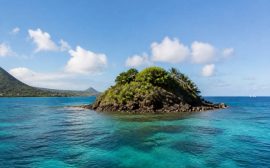
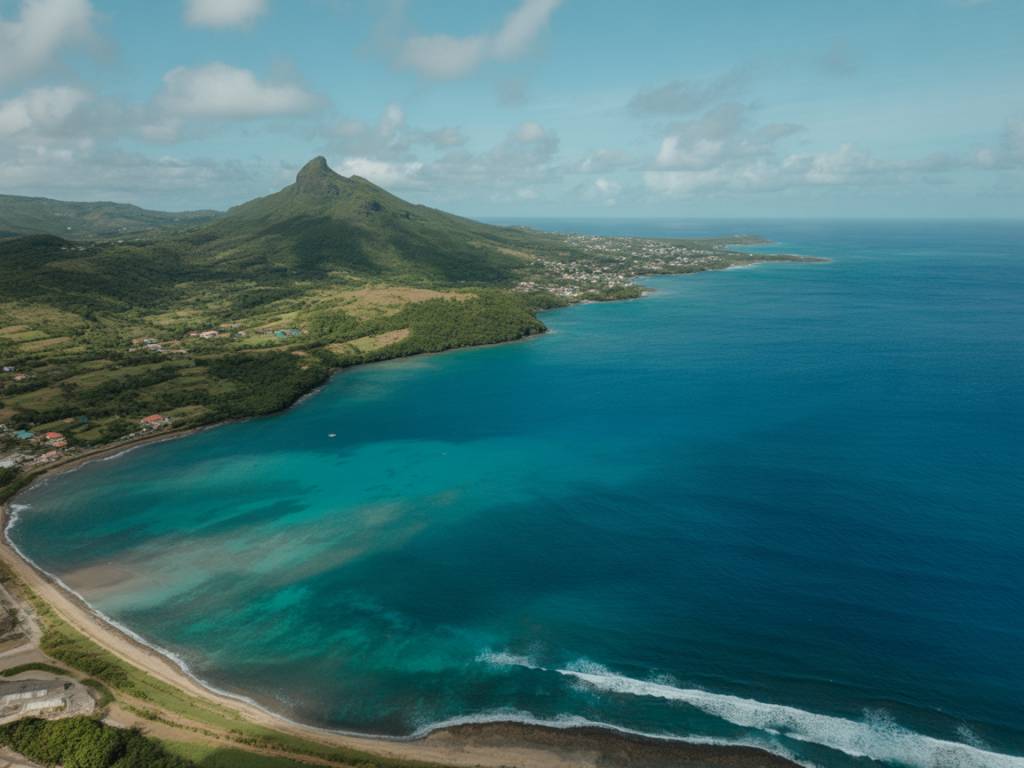
Martinique is a rare blend of lush Caribbean nature and unmistakable French flair. For first-time visitors, this volcanic island delivers a rich mix of tropical beaches, rainforest hikes, Creole culture, and gourmet food. It feels both exotic and reassuringly familiar. You pay in euros. You hear French on every corner. Yet you are firmly in the Caribbean, with turquoise bays, rum distilleries, and coral reefs just offshore.
This 7-day Martinique itinerary is designed for first-time visitors who want a bit of everything: relaxing on white-sand beaches, exploring colorful fishing villages, tasting rum and Creole cuisine, and discovering the island’s dramatic landscapes. The pace is balanced. Some days are slow and beach-focused, others more active with driving and light hiking. Use it as a complete guide or adapt it to your travel style.
Best Time to Visit Martinique for a 7-Day Trip
The best time to visit Martinique is generally from December to April, during the dry season. You can expect warm temperatures, lower humidity, and clearer skies. This is also the high season, with more visitors and higher prices, especially around Christmas, New Year, and February’s Carnival.
The shoulder months, particularly May, June and late November, often offer a good compromise: fewer crowds, pleasant weather, and better deals on flights and accommodation. The official hurricane season runs from June to November, with the highest risk from August to October, but even then, many travelers still enjoy relatively calm and sunny stays.
Where to Stay in Martinique: Best Base for First-Time Visitors
For a first trip, the best base is usually the south and southwest coasts. Distances on the island are not huge, but traffic and winding roads can make drives longer than expected. Staying strategically will simplify your 7-day Martinique itinerary.
Popular areas for first-time visitors:
- Les Trois-Îlets: One of the most convenient bases, with ferry access to Fort-de-France, several beaches, resorts, restaurants, golf, and water activities. Great if you want comfort and services.
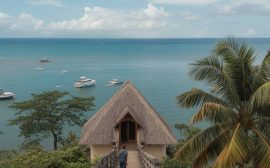
- Les Anses-d’Arlet: More authentic, with charming fishing villages, small guesthouses, and excellent snorkeling right from the beach. Ideal for a laid-back stay and couples.
- Sainte-Anne: Close to some of the most famous beaches, like Grande Anse des Salines. Perfect for travelers who prioritize beaches, coastal walks, and a calmer, more local atmosphere.
If you plan to do a lot of hiking or exploring the north, you might also add one or two nights near Saint-Pierre or in the rainforest interior. But for most first-time visitors, staying in the south and doing day trips works very well.
Day 1 – Arrival in Martinique and First Taste of the Island
Most international flights arrive at Fort-de-France’s Aimé Césaire Airport in the afternoon or evening. After picking up your rental car—highly recommended for a 7-day itinerary—head to your accommodation in the south. Depending on your base, the drive usually takes 30 minutes to an hour.
What to do on your first day in Martinique:
- Check in and settle into your hotel, villa, or guesthouse.
- Take a gentle walk along the nearest beach, feel the sand, and get used to the Caribbean light.
- Enjoy a relaxed dinner at a seaside restaurant, trying your first accras de morue (salt-cod fritters) and a ti’ punch made with local rum, lime, and cane syrup.
Keep this day light. You may be jet-lagged or simply tired from travel. The goal is to breathe in the air of Martinique, listen to the waves, and ease into island time.
Day 2 – Discovering Fort-de-France and Culture in Martinique
Start your first full day with a visit to Fort-de-France, the island’s lively capital. If you are staying in Trois-Îlets, the scenic ferry across the bay is an enjoyable and efficient way to get there; otherwise, you can drive and park near the center.
Highlights in Fort-de-France for first-time visitors:
- La Savane: A central park lined with palm trees, perfect for a short stroll and people-watching.
- Bibliothèque Schœlcher: A beautiful 19th-century library with striking architecture and a fascinating interior.
- Fort Saint-Louis: A historic fortress overlooking the bay, offering guided tours and panoramic views.
- Local markets: Explore covered markets packed with spices, fruits, rum, and handicrafts. Great for early souvenir shopping and understanding Martinique’s Creole flavors.
In the afternoon, return to your base and relax on a nearby beach such as Anse Mitan or Anse à l’Ane. Swim, snorkel, or simply rest in the shade of a palm tree. For dinner, look for restaurants serving traditional Colombo, a curry-like dish typically prepared with chicken or fish and local spices.
Day 3 – Beaches and Snorkeling in Anses-d’Arlet
This day is dedicated to some of the most picturesque coastal scenery in the south of Martinique. Drive to Les Anses-d’Arlet, a string of small bays and fishing villages backed by green hills.
Beaches and snorkeling spots not to miss:
- Grande Anse d’Arlet: A long golden-sand beach with calm, clear waters, ideal for swimming and paddleboarding.
- Bourg d’Anses-d’Arlet: Famous for its colorful church by the sea and excellent snorkeling around the pier and nearby rocks.
- Anse Dufour & Anse Noire: Twin coves—one with light sand, the other with dark volcanic sand—known for frequent sea turtle sightings.
Bring a mask, snorkel, and fins, or rent gear locally. Snorkeling in Martinique is often possible directly from the shore, where you may see parrotfish, angelfish, and if you are lucky, turtles grazing on seagrass. Between swims, enjoy a leisurely lunch at a beachfront lolo (casual Creole eatery) and sample fresh grilled fish.
Day 4 – Road Trip to the North and Mount Pelée
The north of Martinique feels very different from the south. It is wilder, more mountainous, and deeply green. This day in your 7-day Martinique itinerary takes you through rainforest landscapes, black-sand beaches, and historical sites.
Suggested stops on a northern road trip:
- Route de la Trace: A scenic road winding through tropical forest and highland scenery. Stop at viewpoints and short trails along the way.
- Balata Church and Gardens: The church offers views over Fort-de-France bay, while Jardin de Balata showcases lush Caribbean plants and tree-top walkways (if you prefer a separate visit, this can be another half-day).
- Saint-Pierre: Once known as the “Little Paris of the Caribbean”, the town was destroyed by the 1902 eruption of Mount Pelée. Visit the ruins, the small museum, and stroll through its quiet streets.
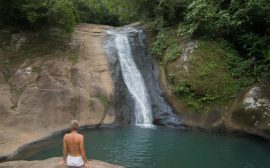
If the weather is clear and you are reasonably fit, consider a partial or full hike on Mount Pelée. Trails vary in difficulty and duration, so choose according to your energy and conditions. Even a short walk provides dramatic views of the volcanic landscapes. Return to the south in the evening, perhaps stopping for a simple dinner in a local restaurant along the way.
Day 5 – Rum Distilleries and Martinique’s Agricultural Heritage
Martinique is world-renowned for its AOC Rhum Agricole, a style of rum made from fresh sugarcane juice rather than molasses. Visiting a distillery is not only about tasting; it is also a way to understand the island’s agricultural history and terroir.
Popular rum distilleries to visit:
- Habitation Clément (Le François): One of the most famous estates, with beautifully preserved buildings, contemporary art installations, and landscaped gardens. A good choice for first-time visitors.
- Distillerie Trois Rivières or La Mauny: Known for traditional rum production and scenic settings in the south.
- Depaz (near Saint-Pierre): Offers dramatic views of Mount Pelée and the surrounding countryside.
Most distilleries offer guided or self-guided visits, ending with tastings and a boutique where you can purchase bottles to bring home. Remember that tastings can be strong, so plan a relaxed schedule, share samples if needed, and never drink and drive. Combine your distillery visit with a stop at a coastal viewpoint or a short beach break to balance the day.
Day 6 – Iconic Southern Beaches: Sainte-Anne and Les Salines
No first-time trip to Martinique is complete without spending proper time on its famous southern beaches. The area around Sainte-Anne is particularly appealing, with long stretches of white sand, shallow turquoise waters, and views of offshore islets.
Beaches to include in your day:
- Grande Anse des Salines: Often cited as one of the most beautiful beaches in the Caribbean. Tall coconut palms, fine sand, and calm waters combine to create a postcard-perfect scene.
- Anse Caritan & nearby coves: Smaller bays with more sheltered waters, ideal for families or relaxed swimming.
- Coastal trail from Sainte-Anne: A scenic walk connects several coves and viewpoints. You can customize the length of your hike depending on time and fitness.
Plan a simple picnic with local pastries, fruit, and chilled drinks, or eat at the casual beachside stalls. Spend the rest of the day reading, swimming, or kayaking. As the sun lowers, the light over Les Salines becomes especially soft, perfect for photography and a final swim before heading back to your accommodation.
Day 7 – Free Day for Shopping, Relaxation, or Extra Excursions
Your last day in Martinique is intentionally flexible. Use it to revisit a favorite beach, do last-minute shopping, or add an activity you have not yet experienced.
Ideas for your final day in Martinique:
- Boat excursion: Join a half-day tour to explore nearby islets, snorkel on coral reefs, or look for dolphins offshore.
- Water sports: Try stand-up paddleboarding, kayaking in mangroves, or a beginners’ scuba dive with a local dive center.
- Shopping for local products: Rum, spices, coffee, cocoa, hot sauces, and artisanal crafts make meaningful souvenirs.
- Spa or wellness: Some resorts and boutique hotels offer spa treatments using local ingredients like sugarcane or tropical fruits.
In the evening, have a final dinner at a restaurant you have been curious about. Order a dish you have not yet tried, perhaps ouassous (freshwater prawns) or a seafood platter. Reflect on your week and the variety of experiences this single island has offered: volcanic landscapes, Creole culture, French-Caribbean cuisine, and some of the Caribbean’s most inviting beaches.
Practical Tips for First-Time Visitors to Martinique
A successful 7-day Martinique itinerary hinges on a few practical details. With some advance planning, your trip will run smoothly and leave room for spontaneous discoveries.
- Language: French is the official language, and Antillean Creole is widely spoken. In tourist areas, you will often find some English, but learning a few French phrases is useful and appreciated.
- Currency: The euro (EUR) is used. ATMs are widely available in towns and tourist centers.
- Transportation: Renting a car is strongly recommended. Public transport is limited and not ideal for a flexible island itinerary.
- Driving: Roads are generally in good condition but can be steep and winding in the north. Drive cautiously, especially in rain, and allow extra time.
- Safety: Martinique is relatively safe. As everywhere, use standard precautions, avoid leaving valuables in cars, and respect sea conditions.
- What to pack: Light clothing, a light rain jacket, reef-safe sunscreen, insect repellent, comfortable walking shoes, and snorkeling gear if you have it.
This 7-day itinerary for first-time visitors gives you a structured yet flexible framework to discover Martinique. Adjust the order of days as needed for weather, personal preferences, or seasonal events such as Carnival. The island rewards both careful planners and spontaneous explorers, inviting you to slow down and savor its unique blend of Caribbean nature and French-Caribbean culture.