The first time you slip beneath the surface in Mauritius, the world seems to turn down its volume. Sunlight ripples across the sand, tiny fish flash past like dropped sequins, and the reef appears to carry on with its own busy, colourful business. It is an easy place to lose track of time—and, if you are not careful, to forget that this underwater garden is also a living ecosystem that needs a little space.
Mauritius is famous for its lagoons and coral reefs, but there is more to exploring them than choosing a mask and jumping in. Here is how to spot marine life, find a good snorkeling area and enjoy the reef without leaving it worse for wear.
Why Mauritius has such striking reefs
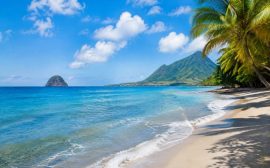
Mauritius is surrounded by a fringing reef, a coral structure that follows much of the coastline and shelters shallow lagoons. In many places, the reef helps soften the force of the open ocean, creating calm, clear water that is ideal for swimming and snorkeling. The island’s lagoons vary from sandy shallows to seagrass beds and coral patches, so no two outings feel quite the same.
That variety matters. A reef is not simply a colourful wall beneath the waves. It is a community of corals, fish, invertebrates and plants, with each species playing a part. Coral provides shelter and feeding areas for marine life; seagrass offers food and habitat; and the lagoon gives young fish a protected place to grow. The scene may look serene, but it is a lively neighbourhood—one where the residents would very much prefer that visitors do not stand on the roof.
Water clarity and conditions change with the weather, tides and location. A bright morning may offer beautiful visibility, while wind or recent rain can stir up sand and reduce it. Before setting out, ask a local guide or accommodation host about the day’s conditions. A little local advice can save you from an unplanned wrestling match with your snorkel.
Where to go snorkeling
Mauritius has snorkeling opportunities around much of its coast, but the best choice depends on your experience, the weather and whether you want to enter from shore or join a boat trip.
-
Blue Bay Marine Park: On the southeast coast, this protected marine area is well known for its coral and fish life. Boat trips commonly take visitors over reef areas, and the park is a popular choice for first-time snorkelers. Conditions and access can vary, so follow guidance from approved local operators and park staff.
-
The west coast: Areas around Flic en Flac and Tamarin offer lagoon scenery and opportunities to explore by boat. The west is also known for dolphin-watching trips, but seeing dolphins is not the same as snorkeling over coral. Choose operators who observe wildlife responsibly and do not chase, crowd or block the animals.
-
The north coast: Around Grand Baie and nearby beaches, you can find boat excursions to lagoons and reef sites. This is a convenient base if you are staying in the north, though popular spots may be busy during peak holiday periods.
-
The east coast: The eastern side is especially lovely for its broad lagoons and long stretches of coast. Some locations are more exposed to wind and waves, so check conditions carefully before entering the water.
Do not assume that the prettiest beach is automatically the safest snorkeling site. A sandy entrance, a sheltered lagoon and a clearly marked swimming area can make a big difference. If you are uncertain about currents, coral heads or boat traffic, go with a reputable guide rather than improvising your own expedition.
What you might see beneath the surface
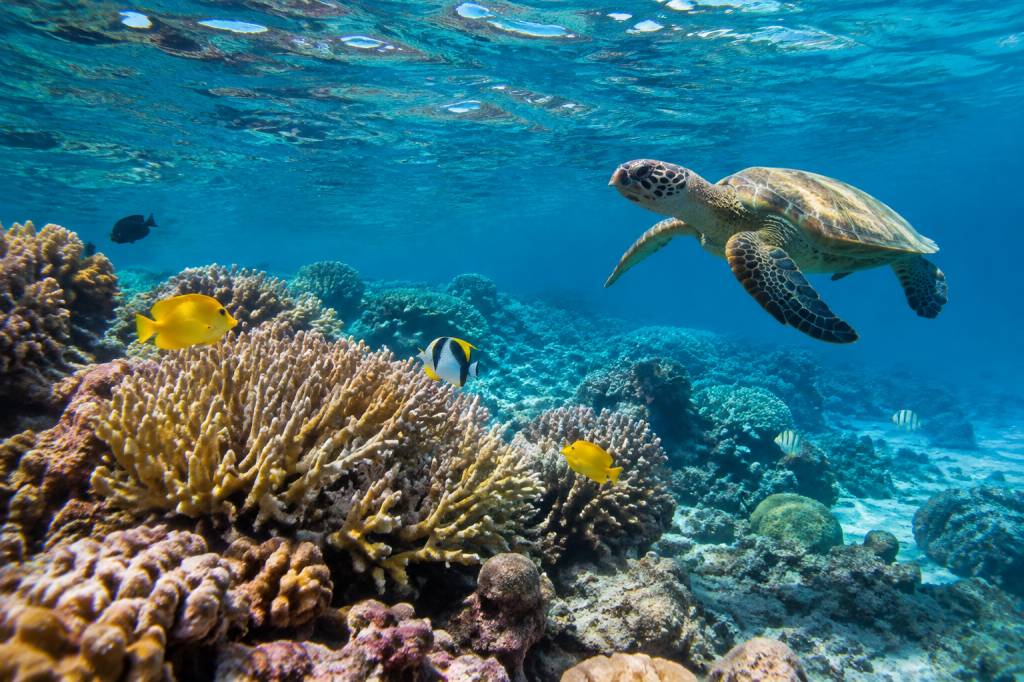
On a calm day, the reef can feel like a moving mosaic. Look for butterflyfish and angelfish hovering near coral, parrotfish nibbling at the reef, and small damselfish darting into crevices. You may spot a sea cucumber resting on the sand, a sea urchin tucked beneath a ledge, or an octopus changing colour so cleverly that you only notice it when it moves.
Green turtles and hawksbill turtles are found in Mauritian waters, though a sighting is never guaranteed. If you are lucky enough to see one, admire it from a respectful distance and let it decide where to go. A turtle that appears to be taking a leisurely swim is not inviting you to join its personal training session.
Rays may glide over sandy areas, and reef fish often gather around coral outcrops. Keep your eyes open, but avoid poking into holes or lifting stones to find hidden creatures. Many animals rely on shelter, and a harmless-looking rock can be someone’s bedroom, lunch spot or both.
Not every useful discovery is dramatic. Pause over seagrass and you may notice tiny fish blending into the blades. Watch the sand closely and you might see small crabs scuttling sideways. The reef rewards patience: float quietly, breathe steadily and let the marine life carry on around you.
Make your first snorkeling trip comfortable
You do not need to be an expert swimmer to enjoy snorkeling, but you should feel comfortable in the water and be honest about your abilities. Choose a sheltered area, wear a properly fitted mask and use a flotation vest if you want extra support. A vest is not a sign of failure; it is a sensible way to save your energy for looking at fish rather than proving a point to the ocean.
Try your mask and snorkel in shallow water before heading farther out. Adjust the strap so it is snug without squeezing your face, and practise breathing slowly through the snorkel. Fins should fit securely but not tightly. If you are joining a boat excursion, ask whether equipment is provided and whether the guide offers a safety briefing.
Keep an eye on the shoreline and your group, especially if you are snorkeling with children. Currents can move swimmers farther than they expect, even in a lagoon that looks calm from the beach. Avoid snorkeling alone, stay within the area recommended by your guide and come out of the water if conditions change.
-
Check the forecast, tides and local advice before entering the water.
-
Use reef-safe sun protection where available, and cover up with a rash vest, hat and shade breaks.
-
Bring drinking water, but leave food and packaging securely on shore or on the boat.
-
Never snorkel close to boat channels, and listen to instructions from your guide.
How to visit the reef responsibly
Coral may resemble colourful stone, but it is made up of tiny living animals. Even a brief touch can damage delicate tissue, and standing on coral can break structures that took many years to grow. The simplest rule is also the best: look, do not touch. Keep your fins up and away from the reef, and choose a sandy place to stand if you need a rest.
Do not feed fish. It can change their natural behaviour and disrupt the balance of the reef. Chasing marine life for a photograph is also best avoided. Give turtles, rays and other animals room to move freely, and never try to handle them. A calm, unhurried observer often sees more than someone swimming after every flash of colour.
Sun protection deserves a little thought. Some sunscreen ingredients can harm marine life, and no product makes careless application harmless. Choose a reef-conscious formula where possible, apply it well before swimming, and use clothing and shade as your first line of defence. Check current local guidance, as product advice can change.
If you take a boat trip, ask the operator how they protect the reef. Do they brief guests about wildlife and coral? Do they avoid anchoring on coral? Do they keep a respectful distance from animals? A responsible operator should be happy to explain their practices. Your booking is a small vote for the kind of tourism you would like to see.
Why conservation matters
Mauritius’s reefs face pressures that affect coral ecosystems around the world. Rising sea temperatures can cause coral bleaching, a condition in which stressed corals lose the microscopic algae that provide much of their colour and energy. Pollution, coastal development, sediment and physical damage can add to that stress. Coral reefs can recover under suitable conditions, but recovery takes time and is not guaranteed.
Marine protected areas, research and restoration projects all play a role in conservation. Blue Bay Marine Park, for example, is recognised for its marine biodiversity and protection efforts. Rules in protected areas help reduce harm, but they work best when visitors and local communities support them. Respecting signs, using designated access points and following guide instructions are practical ways to help.
Travellers can contribute beyond the water, too. Avoid leaving litter on beaches, choose reusable bottles and bags where practical, and support local businesses that take environmental care seriously. If you notice damaged coral or wildlife being harassed, let a local authority or responsible operator know rather than trying to intervene in a risky situation.
A few details that make the day better
For calmer water, mornings are often a good time to go, though conditions depend on the location and forecast. The cooler months can bring different weather patterns from the warmer season, so there is no single month that guarantees perfect snorkeling everywhere. Ask locally, especially if you have travelled a long way for a particular outing.
Bring a towel, dry clothes and a waterproof pouch for essentials, but keep valuables to a minimum. A reusable water bottle is useful after time in the sun. If you wear glasses, ask about prescription masks or contact lenses before your trip. And if you are prone to seasickness, consider a remedy before boarding a boat, following its instructions. The reef is enchanting; the side of a boat is not the ideal place to appreciate it.
Most importantly, leave room for the unexpected. Perhaps a parrotfish will appear just as you are about to climb back aboard. Perhaps the water will be a little cloudy, but a guide will point out a camouflaged octopus you would have missed entirely. The best reef encounters are not always the grandest; sometimes they are simply a quiet moment in clear water, watching a tiny fish make a very serious business of being tiny.
Let the lagoon stay wild
Snorkeling in Mauritius is an invitation to slow down and look closely. Beneath the familiar postcard view lies a world of coral gardens, seagrass, fish and delicate relationships. Choose your site with care, follow local advice and give wildlife plenty of space. Then float, breathe and enjoy the colour beneath you—without taking a piece of it home.