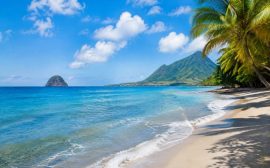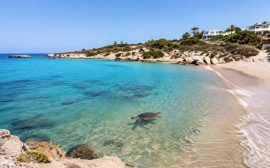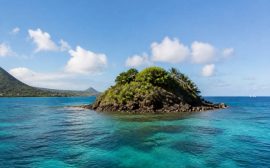
The first time I spotted a sea urchin in Martinique, I nearly mistook it for a small underwater pincushion. It was tucked into a rocky crevice, its dark spines waving gently with the current. Beautiful from a respectful distance, it seemed to be saying: “Look, by all means—but keep your toes to yourself.”
Sea urchins come in more shapes and colors than their spiky reputation suggests. Some hide in rock holes, others graze in seagrass meadows, and a few patrol the reef like tiny, prickly gardeners. Knowing which ones you might meet—and where they live—makes a swim or snorkel more interesting, and a lot safer.
What is a sea urchin?
A sea urchin is a marine animal related to sea stars and sand dollars. Its rounded body is protected by a hard shell, called a test, and covered with movable spines. Many species also have tiny pincers called pedicellariae, which help keep the body clean and discourage unwelcome visitors.
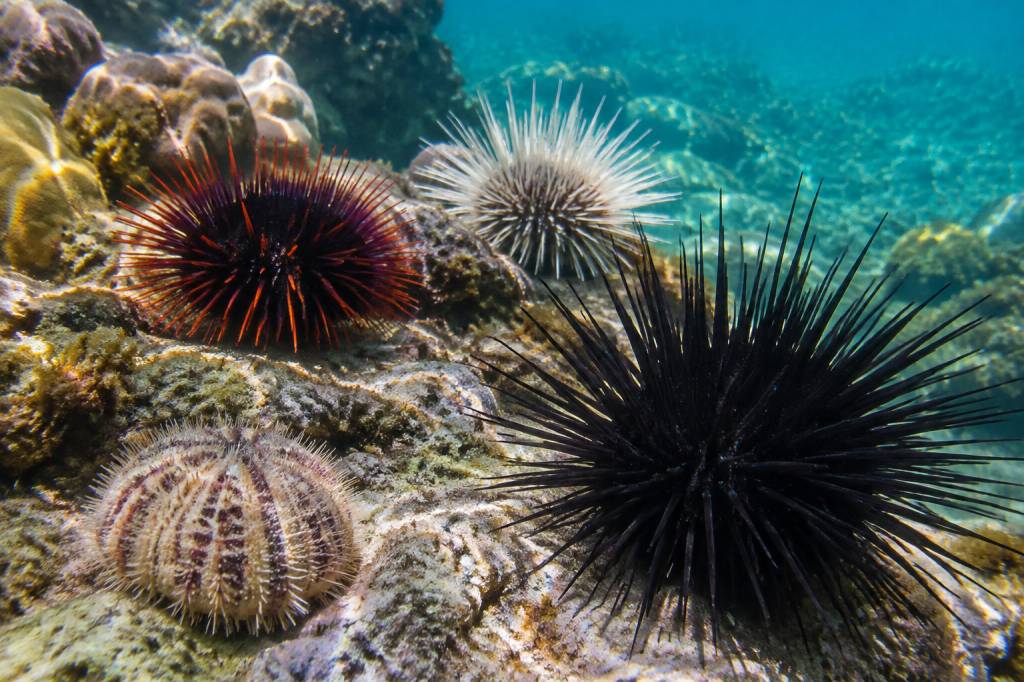
Urchins are not all the same size, color, or shape. Some are compact and stout; others have spines long enough to look like a miniature sea mine. They move slowly using hundreds of small tube feet, often feeding on algae. If you spot one on a reef, it may be grazing away in plain sight—or camouflaged so well that your eyes slide right past it.
A quick reminder before we meet the locals: sea urchin spines can puncture skin and break off. Admire them without touching, and never stand on the reef. Your feet, and the reef, will thank you.
The long-spined black sea urchin
One of the most recognizable Caribbean species is the long-spined sea urchin, Diadema antillarum. Its dark body is surrounded by exceptionally long, thin spines, which can make it look much larger than it really is. In Martinique’s clear coastal water, it often appears as a black starburst nestled among rocks or coral.
Look for this species on coral reefs and rocky seabeds, especially in crevices where it can shelter during the day. It is a grazer, feeding on algae that grow across the reef. In healthy numbers, that appetite helps prevent algae from smothering corals. In other words, this spiky neighbor does important maintenance while the rest of us are busy looking for the prettiest fish.
Its spines are delicate and sharp, so keep your hands and feet well away. The animal does not chase swimmers, of course, but an accidental brush can still be painful. When snorkeling, give it room and choose a sandy patch for standing rather than a coral-covered ledge.
The rock-boring sea urchin
The rock-boring sea urchin, Echinometra lucunter, is a smaller, sturdy species that is easy to overlook. Its body is often dark, and its short, solid spines may blend into the rocky shore. The clue is sometimes the little round hollow it occupies: this urchin can gradually wear away a shallow shelter in the rock, using its spines and mouthparts.
It favors shallow, wave-washed shores, rocky pools, and reef flats. That makes it one of the species you may encounter close to land, where the water looks invitingly calm between the waves. During low tide, a pool can seem like a miniature aquarium, but it is still a living habitat. Watch where you place your feet, and avoid reaching into holes that could be a home rather than an empty pocket in the stone.
Rock-boring urchins graze on algae, and their feeding can contribute to the small hollows they inhabit. Their presence is a useful reminder that even a seemingly solid shoreline is being shaped, little by little, by the animals living there.
The West Indian sea egg
With its round body and relatively short spines, the West Indian sea egg, Tripneustes ventricosus, looks rather less dramatic than its long-spined cousin. Its coloring can vary, with dark, reddish, or pale tones, and it may be spotted among sea grass, algae, or reef rubble.
This species is often found in shallow coastal areas, including seagrass beds and sandy or rocky patches near reefs. It feeds on algae and other plant material, helping to keep underwater growth in check. In seagrass, the contrast between the soft green blades and the urchin’s rounded shape makes it a rewarding find for patient snorkelers.
“Sea egg” is a charming name, but it is not an invitation to pick one up and inspect it. Like other urchins, it has spines, and handling marine life can injure the animal as well as the person doing the handling. A photo from a comfortable distance is a much better souvenir.
The variegated sea urchin
The variegated sea urchin, Lytechinus variegatus, is another Caribbean species associated with seagrass meadows and shallow coastal habitats. Its spines are shorter than those of Diadema, and its body may show greenish or purplish shades. It can also carry bits of sea grass, shells, or other debris on its upper surface—a natural disguise that makes it seem to have dressed for a very small underwater garden party.
Seagrass beds are important nurseries and feeding grounds for many marine animals, so an urchin there is part of a much bigger picture. It grazes on algae and plant material, while fish and other creatures move through the meadow in search of food or shelter. If you are snorkeling over sea grass, slow down and scan the ground gently; rushing past is an excellent way to miss the whole neighborhood.
The slate-pencil sea urchin
The slate-pencil sea urchin, Eucidaris tribuloides, has stout, blunt spines that look surprisingly like little pencils. Unlike the fine, needle-like spines of the long-spined urchin, these are thick and knobby, often with bands or contrasting colors. Its unusual appearance makes it one of the more memorable species to spot on a reef.
It tends to live on coral reefs and rocky bottoms, sometimes hiding in crevices during daylight. It feeds on algae and other material found on the seafloor. The heavy spines offer protection, while the animal’s compact shape helps it tuck into sheltered spaces when conditions get rough.
Even with its sturdier-looking armor, it is still best left alone. “Pencil” is a description of the spines, not a suggestion that they are safe to handle.
Where to look for sea urchins in Martinique
Martinique’s coast offers several kinds of shallow-water habitat, and each attracts different marine life. Rocky shorelines and reef flats are good places to look for rock-boring urchins. Coral reefs and their crevices provide shelter for long-spined and slate-pencil species. Seagrass beds may hold sea eggs and variegated urchins, often among blades of grass and patches of sand.
Water clarity, wave action, and the time of day all affect what you can see. A calm morning may offer a clearer view than a windy afternoon, while low tide can reveal rock pools that are hidden beneath the waves at other times. Conditions change from beach to beach, so follow local advice and never enter water that feels unsafe just to find a particular animal.
When snorkeling, move slowly and look for shapes rather than bright colors. A dark cluster of spines might be an urchin; a pale, rounded form in the sea grass might be one too. Let your eyes adjust, keep a little distance, and resist the urge to rearrange rocks or coral for a better view.
How to enjoy them safely
Sea urchins are part of the scenery, not obstacles to be handled. A few simple habits can help protect both you and the marine life:
- Wear water shoes when entering rocky or reef-fringed water, while still avoiding coral and other living surfaces.
- Never stand on coral or reach into crevices where an urchin may be sheltering.
- Keep a comfortable distance when snorkeling, and do not touch or collect marine animals.
- Use a sandy area to pause or adjust your mask rather than a reef or rock ledge.
- If you are stung or punctured, leave the water carefully and seek qualified medical advice, especially if the wound is deep or painful.
Water shoes are useful, but they are not magic armor. A careful step matters more than a sturdy sole, and fins are best kept away from the reef as well. One careless kick can damage coral that took years to grow.
Why these prickly neighbors matter
Sea urchins help shape their habitats. By grazing on algae, they can prevent it from spreading unchecked across reefs and rocky surfaces. Their feeding also creates opportunities for other organisms, while the crevices and hollows they use offer shelter to small marine life.
The balance matters. Too many urchins can overgraze an area; too few can allow algae to grow thickly. The long-spined Diadema antillarum, for example, plays an important role on Caribbean reefs. Its numbers have been affected by disease outbreaks in the wider region, and its recovery is important for reef health. A single urchin may look like a small detail, but it belongs to a much larger underwater story.
So next time you float above a reef or peer into a rock pool, take a moment to notice the shapes below. The black starburst in a crevice, the blunt little “pencils” on the seabed, and the sea egg tucked into sea grass are not just oddities to photograph. They are workers, grazers, and neighbors in Martinique’s coastal world—best appreciated with curious eyes, steady fins, and hands politely kept to yourself.