First glimpse beneath the Red Sea
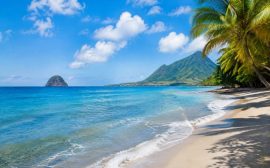
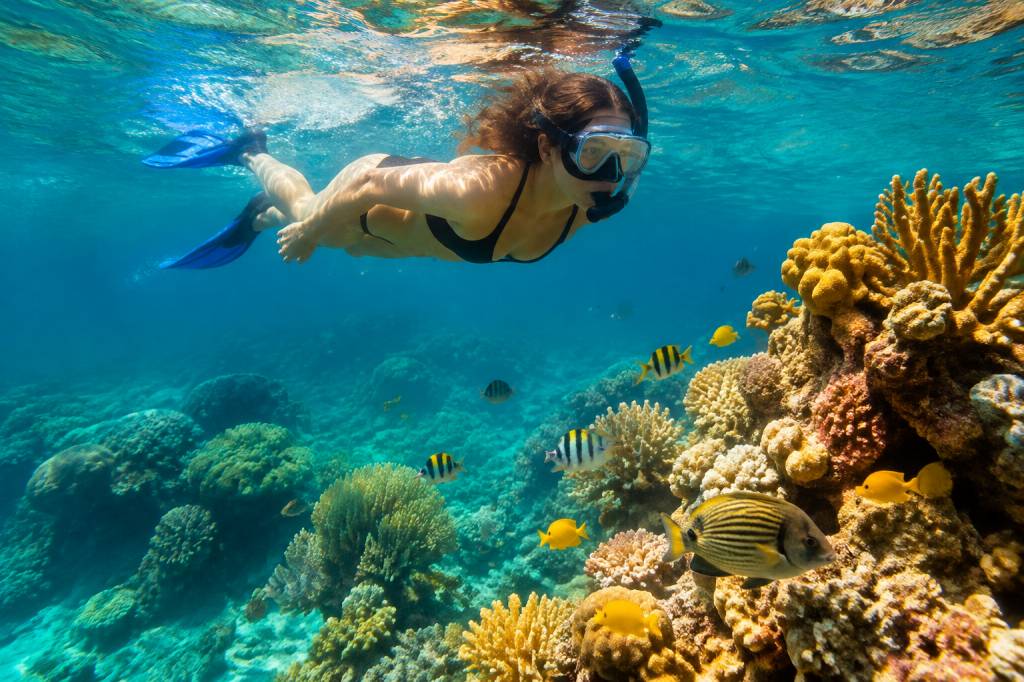
At Makadi Bay, the sea has a way of making you slow down. From the shore, it looks like a sheet of turquoise glass; put on a mask and the view changes completely. A reef appears beneath the surface, scattered with coral, bright fish and little pockets of movement that are easy to miss if you rush. It is not a giant aquarium with a guaranteed cast of sea turtles and dolphins. It is a living place, and the pleasure is in looking carefully.
Makadi Bay lies south of Hurghada on Egypt’s Red Sea coast. Many resorts here have a house reef, so snorkeling can be as simple as walking from your room to the beach and slipping into the water. That convenience is a gift, especially if you are travelling with children or would rather not spend every day arranging an excursion. Still, the best experience comes with a little preparation: know where the reef begins, check the conditions, and give the coral plenty of space.
Where to snorkel in Makadi Bay
The most accessible starting point is usually the house reef in front of your resort. Its exact shape and condition vary from one stretch of coast to another, so ask staff where the marked entry points are and whether you should use a jetty. Some beaches have shallow sandy areas before the reef; others have coral close to shore, making a jetty the safer and kinder way to enter. A quick question at reception or the dive centre can save you a clumsy shuffle over rocks in borrowed fins.
Once in the water, follow the designated route rather than striking out across the reef. You may find fish close to the entry point, where small crevices offer shelter and food. In other places, the coral becomes more interesting farther along the reef edge. If the resort has a buoyed swimming or snorkeling area, stay within it. Those markers are there for your safety and often keep swimmers clear of boat traffic.
For a different reef setting, look into an organised trip to nearby snorkeling sites. Sharm El Naga, south of Hurghada, is known for shore-accessible reefs and is often included in day trips from the Makadi area. Excursions to islands or offshore reefs may also be offered, but travel time, conditions and the exact stops vary between operators. Ask what the trip includes, how much time you will spend in the water, and whether the guide provides flotation equipment. “A snorkeling cruise” can mean anything from several relaxed swims to a long boat day with a brief dip at the end.
Choose an operator that takes reef protection seriously. A small group, clear safety briefing and guide who points out wildlife without chasing it are all good signs. Be wary of anyone promising guaranteed sightings: wild animals do not work to a holiday timetable, however persuasive the brochure.
What you might see under the surface
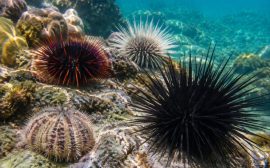
Makadi Bay’s reef is part of the Red Sea’s remarkable marine world. You may spot branching and plate-like corals, along with softer forms that sway gently in the water. Their colours can look muted from above, then sharpen as your eyes adjust: rust red, pale gold, violet and deep brown. Sunlight filters through the surface in shifting stripes, turning even a quiet patch of reef into a moving picture.
Fish are often the first residents to catch your attention. Look for striped sergeant majors, damselfish darting around coral heads, butterflyfish moving in pairs and parrotfish nibbling at the reef. Wrasses flicker through the shallows, while larger fish may pass farther out. If you notice a sudden burst of movement, pause and watch. A school of fish can vanish around a coral ledge as if someone has pulled a curtain across the sea.
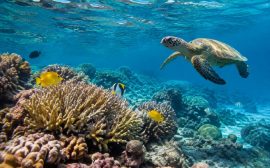
With patience, you may also see a moray eel peering from a crevice, a lionfish hovering among the coral or a ray resting on sand. Sea turtles are possible in the wider Red Sea region, but sightings around any particular swim are never assured. The same goes for dolphins. A reef is worth visiting even when its more famous guests are off somewhere else, presumably having a quieter day.
Try not to look only for the biggest or brightest animal. Tiny reef life rewards a slower gaze: a fish sheltering in branching coral, a shrimp tucked into a crack or the fine texture of a coral surface. You do not need to know every species to enjoy the scene. If you are curious, take a reef identification card or ask a local guide to explain what you have seen.
When to go and what conditions to expect
Makadi Bay is a year-round destination, but the feel of a snorkeling day changes with the season and the weather. In warmer months, the water is generally more comfortable for longer swims. In winter, the air can feel pleasantly mild while the sea feels cool once you are floating still. A rash vest or thin wetsuit can make a big difference if you tend to get cold.
Wind matters as much as the calendar. A breezy day can create choppy water, reduce visibility and make getting back to shore more tiring. Conditions may differ between the beach, the jetty and an offshore site, so check locally before setting out. If the water looks rough or the red flag is flying, postpone your swim. There is no prize for being the person who argues with the sea.
Morning is often a lovely time to snorkel: the light is clear, the beach may be quieter and the water can be calmer. But there is no universal best hour, and tides, wind and boat schedules all play a part. Ask the dive centre or lifeguard for that day’s advice. A calm, safe swim close to shore is usually better than a long excursion in poor conditions.
Simple preparation for a better swim
You do not need a suitcase full of specialist gear. A well-fitting mask, snorkel and fins are the basics. Many resorts and dive centres rent equipment, but check the fit before entering the water: a leaking mask turns a peaceful reef visit into an extended negotiation with your eyebrows. A flotation vest is useful if you are not a confident swimmer, and it helps you stay relaxed without having to kick constantly.
- Ask where the safe entry and exit points are, and whether a jetty is recommended.
- Check the day’s wind, waves and visibility with a lifeguard or local guide.
- Bring drinking water, a towel and sun protection for time on shore.
- Use a rash guard or other sun-protective clothing for long swims.
- Never snorkel alone; stay close enough to your companion to communicate.
- Carry a waterproof bag for valuables and leave unnecessary items in a secure place.
Apply sun protection before you swim and follow local guidance on products and marine-friendly practices. No sunscreen should be treated as harmless to the reef, so clothing, shade and sensible timing are useful first lines of defence. The back of the neck and the tops of the feet are easy to forget; the Red Sea sun is very good at finding both.
How to enjoy the reef without damaging it
Coral may look like stone, but it is made by living animals and can be damaged by a careless touch. Keep your hands and feet away, even when you are trying to steady yourself. Do not stand on coral, break off pieces or collect shells. If you need to rest, float over sand or use a designated platform where one is provided.
Buoyancy is the secret to a relaxed and respectful swim. Practise keeping your body level and your fins behind you, rather than pointing them down toward the reef. Slow, small kicks help you move without stirring up sand. If you feel unsure, use a flotation vest or ask a guide to show you how to move safely before you set off.
Give wildlife room. Do not chase fish, block an animal’s path or feed it for a photograph. Feeding can change natural behaviour and bring fish too close to swimmers. If you see a turtle or ray, enjoy the moment from a distance and let it choose whether to remain nearby. The best souvenir is a clear memory, not a blurry photo taken while following an animal across its home.
Take all rubbish back to shore, including small items such as hair ties and food wrappers. If you see litter, collect it only if doing so is safe and will not disturb the reef. Some resorts and local organisations arrange beach or reef clean-ups; joining one can be a practical way to give something back to the coast you have enjoyed.
Snorkeling with children and first-timers
For a first snorkel, keep the plan simple. Start in a calm, shallow area with an adult close by, and let everyone get used to breathing through the snorkel before swimming toward the reef. A mask that fits comfortably matters more than a fancy set of fins. If a child feels anxious, looking at fish from the surface or using a clear-bottom viewing area can be a gentle introduction.
Set a short time limit for the first swim and take a break before anyone gets tired or cold. Children should be supervised in the water at all times, even when wearing flotation equipment. Check age rules and equipment standards with the resort or excursion provider, and do not assume that a beach is safe simply because it looks calm from a sun lounger.
Making the most of your Makadi Bay reef day
Leave space in your schedule to return to the water. The first swim may be about learning the entry point and getting comfortable; the next can be slower, with more time to notice the small details. You might recognise a fish from the day before or discover that a quiet corner of the reef becomes lively as the light changes. That familiarity is part of the pleasure of a house reef.
After your swim, rinse your equipment in fresh water if facilities are available, let it dry in the shade and stay hydrated. If you have been on a boat trip, ask the guide which sites were visited and whether conditions differ from the shore reef. These small conversations often lead to useful local tips, and sometimes to a recommendation for a quieter swim the following morning.
Makadi Bay is a rewarding place to begin exploring the Red Sea, whether you have one curious hour or several days to spare. Come with a mask, a little patience and the willingness to look closely. Beneath that bright surface, the reef is not a stage set; it is a living neighbourhood. Treat it gently, and even an ordinary swim can feel like an invitation into another world.